Aaron Court Care Home
At a Glance
The information you need to decide whether this home warrants a closer look.
Nursing homes
Staff warmth score
of reviewers answered yes
Good to know
- Registered beds91
- SpecialismsCaring for adults over 65 yrs, Caring for adults under 65 yrs, Dementia, Learning disabilities, Physical disabilities
- Last inspected2023-07-04
The Evidence
What the review data, the inspection reports, and the dementia-care evidence base tell us about this home.
What families say
Families describe walking into somewhere that feels alive rather than institutional — no clinical smells, plenty of activity, and staff who seem to genuinely enjoy chatting with residents. The atmosphere strikes visitors as different from what they expected, with a real sense of community and connection. People talk about forming proper relationships with care workers who remember the small things that matter.
The eight family priority themes
- Staff warmth55
- Compassion & dignity55
- Cleanliness55
- Activities & engagement50
- Food quality50
- Healthcare55
- Management & leadership65
- Resident happiness55
What inspectors found
Inspected 2023-07-04
Is this home safe?
Is the care effective?
The Effective domain was rated Good at the June 2023 inspection. This domain covers training, care planning, healthcare access, and food provision. The home lists dementia and learning disabilities as specialisms, which requires staff to hold specific competencies. No specific detail about training content, GP visiting arrangements, care plan review frequency, or food quality is included in the published inspection text. The rating itself confirms inspectors were satisfied, but families are left without the granular picture that would build genuine confidence.Is this home caring?
The Caring domain was rated Good at the June 2023 inspection. This domain covers staff warmth, dignity, respect, and the preservation of independence. A Good rating here means inspectors were satisfied that residents were treated with kindness and respect during the inspection visit. The published text does not include direct quotes from residents or relatives, nor specific observations such as staff using preferred names, knocking before entering rooms, or responding to distress. The absence of this detail is a limitation of the published report, not necessarily a reflection of what was found.Is the home responsive?
The Responsive domain was rated Good at the June 2023 inspection. This domain covers activities, individual engagement, response to preferences and complaints, and end-of-life care. The home serves a wide range of needs including dementia, learning disabilities, and physical disabilities, which requires genuinely varied and adapted approaches to activity and engagement. No specific activities, individual engagement examples, or complaint response processes are described in the published inspection text. End-of-life planning is also unconfirmed in the available findings.Is the home well-led?
The Well-led domain was rated Good at the June 2023 inspection, and this represents an improvement from the previous Requires Improvement rating overall. The home has a named registered manager, Mrs Lorraine Lee Welham, and a named nominated individual, Mr Stephen Ward. Good in this domain means inspectors were satisfied with governance, culture, and accountability at the time of the visit. No specific detail about management visibility, staff empowerment, learning from incidents, or family feedback mechanisms is recorded in the published text.
Source: CQC inspection report →
What the evidence base says
The home supports adults both under and over 65 with physical disabilities, learning disabilities and dementia care needs. While staff show real warmth towards residents with dementia, some families have raised concerns about whether the systems for tracking changing needs and escalating medical issues are robust enough for this vulnerable group. All areas worth probing directly during a visit.
The DCC Verdict
Our editorial view, built from the three lenses: what families tell us, what inspectors record, and how the home sits against good dementia-care practice.
DCC Family Score
Aaron Court has improved from Requires Improvement to Good across all five domains, which matters. However, the published inspection text contains very limited specific detail, so most scores sit in the mid-range reflecting a positive rating without the granular evidence needed to score higher with confidence.
Homes in East Midlands typically score 68–82.The three-lens summary
What families tell us
Families describe walking into somewhere that feels alive rather than institutional — no clinical smells, plenty of activity, and staff who seem to genuinely enjoy chatting with residents. The atmosphere strikes visitors as different from what they expected, with a real sense of community and connection. People talk about forming proper relationships with care workers who remember the small things that matter.
What inspectors have recorded
Leadership here stays visible and approachable, creating a culture where staff seem happy and supported in their work. However, some families have found serious gaps in record-keeping and medical monitoring that required formal complaints to address. The contrast between the caring atmosphere and these clinical failings presents a complex picture that deserves careful consideration.
How it sits against good practice
The stark differences in family experiences here suggest asking specific questions about safeguarding procedures and recent inspection findings during your visit.
Worth a visit
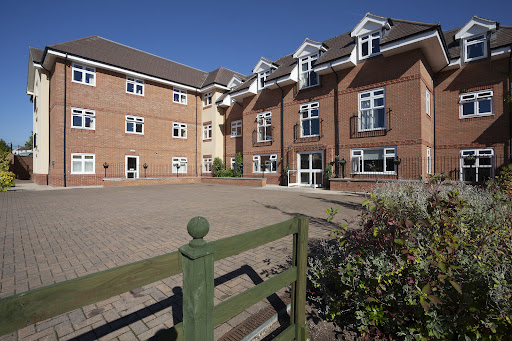
Aaron Court, at 17 Ramsey Way in Leicester, was rated Good across all five inspection domains at its most recent inspection in June 2023. This is a meaningful improvement from its previous rating of Requires Improvement and covers safety, effectiveness, caring, responsiveness, and leadership. The home cares for up to 91 people, including those living with dementia, learning disabilities, and physical disabilities, and is registered with a named manager and a nominated individual from the provider. The limitation here is significant. The published inspection text is very brief and contains almost no specific detail about what inspectors actually observed or heard inside the home. A Good rating is positive but it tells you the minimum standard was met, not whether this home is outstanding for your parent specifically. Before visiting, prepare a short list of questions: ask to see last week's actual staffing rota (not the template), ask how many permanent versus agency staff covered the dementia unit last month, and ask what a typical Tuesday looks like for a resident who cannot join group activities. Walk the corridors at a quieter time of day and notice whether staff acknowledge residents they pass, whether the building smells clean and fresh, and whether the environment includes clear signage and orientation cues for someone living with dementia.
The three questions to ask when you visitSave this home. Compare it against your shortlist.
Let our analysis show you how Aaron Court Care Home measures up against the other homes you’re considering. Free account.
In Their Own Words
How Aaron Court Care Home describes itself — collected from its own website. DCC has not edited or independently verified the content in this tab.
Lively Leicester care home where warmth meets serious care challenges
Aaron Court – Your Trusted nursing home
Aaron Court in Leicester creates a genuinely social atmosphere that families often find refreshing — though significant care quality concerns mean you'll want to dig deeper. The home specialises in supporting people with dementia, learning disabilities and physical needs across different age groups. Recent experiences suggest a real split between the warmth of daily life here and troubling gaps in clinical care standards.
Who they care for
The home supports adults both under and over 65 with physical disabilities, learning disabilities and dementia care needs.
While staff show real warmth towards residents with dementia, some families have raised concerns about whether the systems for tracking changing needs and escalating medical issues are robust enough for this vulnerable group.
“The stark differences in family experiences here suggest asking specific questions about safeguarding procedures and recent inspection findings during your visit.”
DCC does not edit or curate content in this tab. For independently curated information, see The Evidence and DCC Verdict.
The DCC Verdict
Our editorial view, built from the three lenses: what families tell us, what inspectors record, and how the home sits against good dementia-care practice.
DCC Family Score
Aaron Court has improved from Requires Improvement to Good across all five domains, which matters. However, the published inspection text contains very limited specific detail, so most scores sit in the mid-range reflecting a positive rating without the granular evidence needed to score higher with confidence.
Homes in East Midlands typically score 68–82.The three-lens summary
What families tell us
Families describe walking into somewhere that feels alive rather than institutional — no clinical smells, plenty of activity, and staff who seem to genuinely enjoy chatting with residents. The atmosphere strikes visitors as different from what they expected, with a real sense of community and connection. People talk about forming proper relationships with care workers who remember the small things that matter.
What inspectors have recorded
Leadership here stays visible and approachable, creating a culture where staff seem happy and supported in their work. However, some families have found serious gaps in record-keeping and medical monitoring that required formal complaints to address. The contrast between the caring atmosphere and these clinical failings presents a complex picture that deserves careful consideration.
How it sits against good practice
The stark differences in family experiences here suggest asking specific questions about safeguarding procedures and recent inspection findings during your visit.
Worth a visit
Aaron Court, at 17 Ramsey Way in Leicester, was rated Good across all five inspection domains at its most recent inspection in June 2023. This is a meaningful improvement from its previous rating of Requires Improvement and covers safety, effectiveness, caring, responsiveness, and leadership. The home cares for up to 91 people, including those living with dementia, learning disabilities, and physical disabilities, and is registered with a named manager and a nominated individual from the provider. The limitation here is significant. The published inspection text is very brief and contains almost no specific detail about what inspectors actually observed or heard inside the home. A Good rating is positive but it tells you the minimum standard was met, not whether this home is outstanding for your parent specifically. Before visiting, prepare a short list of questions: ask to see last week's actual staffing rota (not the template), ask how many permanent versus agency staff covered the dementia unit last month, and ask what a typical Tuesday looks like for a resident who cannot join group activities. Walk the corridors at a quieter time of day and notice whether staff acknowledge residents they pass, whether the building smells clean and fresh, and whether the environment includes clear signage and orientation cues for someone living with dementia.
The three questions to ask when you visitSave this home. Compare it against your shortlist.
Let our analysis show you how Aaron Court Care Home measures up against the other homes you’re considering. Free account.
In Their Own Words
How Aaron Court Care Home describes itself — collected from its own website. DCC has not edited or independently verified the content in this tab.
Lively Leicester care home where warmth meets serious care challenges
Aaron Court – Your Trusted nursing home
Aaron Court in Leicester creates a genuinely social atmosphere that families often find refreshing — though significant care quality concerns mean you'll want to dig deeper. The home specialises in supporting people with dementia, learning disabilities and physical needs across different age groups. Recent experiences suggest a real split between the warmth of daily life here and troubling gaps in clinical care standards.
Who they care for
The home supports adults both under and over 65 with physical disabilities, learning disabilities and dementia care needs.
While staff show real warmth towards residents with dementia, some families have raised concerns about whether the systems for tracking changing needs and escalating medical issues are robust enough for this vulnerable group.
Management & ethos
Leadership here stays visible and approachable, creating a culture where staff seem happy and supported in their work. However, some families have found serious gaps in record-keeping and medical monitoring that required formal complaints to address. The contrast between the caring atmosphere and these clinical failings presents a complex picture that deserves careful consideration.
The home & environment
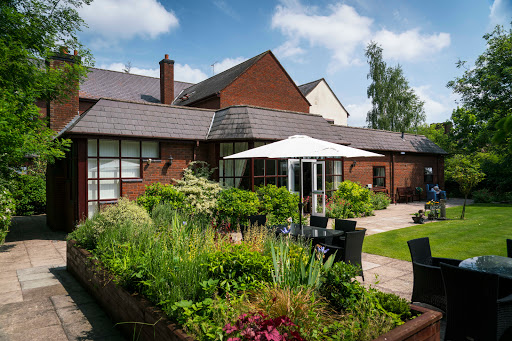
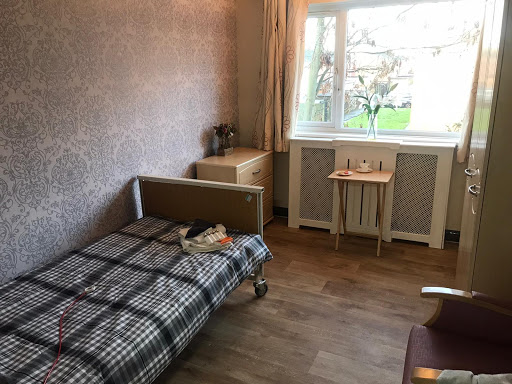
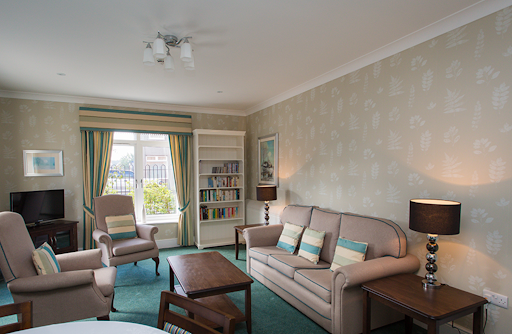
The home stays fresh and clean, which families particularly appreciate given their fears about typical care home environments. There's a full programme of entertainment and activities that residents actually seem to enjoy participating in. The social spaces encourage mixing and mingling rather than isolation.
“The stark differences in family experiences here suggest asking specific questions about safeguarding procedures and recent inspection findings during your visit.”
DCC does not edit or curate content in this tab. For independently curated information, see The Evidence and DCC Verdict.